How to Evaluate a Filipino Graphic Designer's Portfolio
Learn what to look for in a Filipino graphic designer's portfolio — brand identity, Figma files, real briefs, and red flags before you hire.
Most hiring mistakes in graphic design happen before a single message is sent. A company browses a portfolio, sees polished visuals, and moves straight to a rate negotiation, skipping the questions that would reveal whether the designer can actually solve a brand problem. Knowing how to evaluate a Filipino graphic designer's portfolio properly saves you from a costly mismatch, especially when you are hiring remotely across time zones.
This guide covers what to look for, what to skip, and the specific red flags that experienced hiring managers catch early.
How to Evaluate a Filipino Graphic Designer Portfolio: The Right Starting Questions
Before you open a single Behance link or PDF, get clear on what you actually need. A designer who excels at social media content may struggle with brand identity systems. A packaging specialist may have no instinct for digital UI. The portfolio evaluation should start with your brief, not theirs.
Ask yourself:
- Do I need someone who can build a brand from scratch, or someone who executes within an existing system?
- Will this person work in Figma, Adobe Illustrator, Photoshop, or a mix?
- Is the output mostly static, or will it include motion and video overlays?
- How much creative direction will they receive, and how much will they need to drive themselves?
Your answers determine which portfolio signals matter most.
What Strong Portfolio Work Actually Looks Like
A good portfolio is not a gallery of beautiful images. It is evidence of a designer's thinking process, range, and ability to solve real problems for real businesses.
Brand Identity Work
Look for complete brand systems, not just a logo on a mockup. A strong identity portfolio shows the logo in context: on packaging, on a website header, on a business card, across light and dark backgrounds. It demonstrates that the designer understands how a brand behaves across touchpoints, not just how it looks in one presentation slide.
If you see only isolated logos without any system thinking, treat that as a signal. Logo design and brand design are different skills.
Figma Files and Working Documents
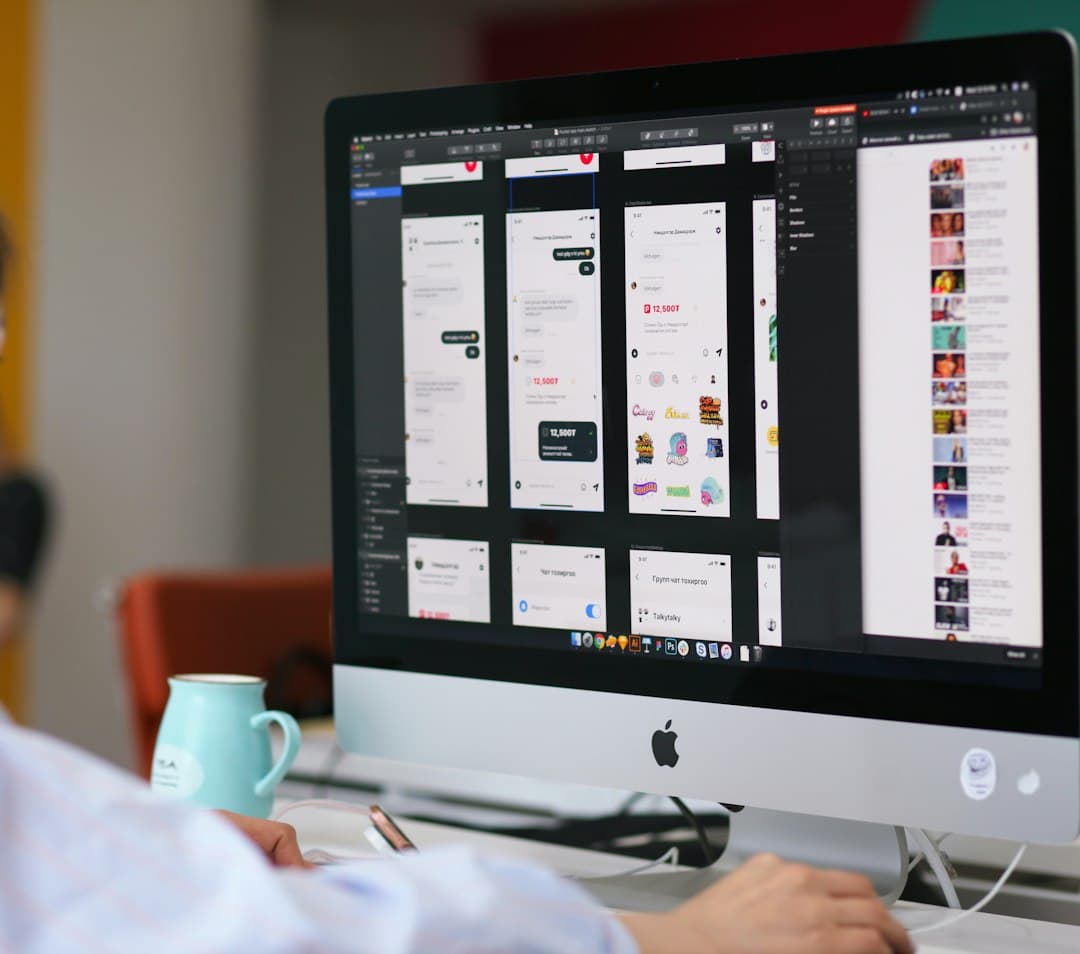
For any role that involves digital design, ask to see a live Figma file or a screen recording of one. A designer who works professionally in Figma will have organized layers, named components, and reusable styles. A designer who learned Figma recently will have a flat, unlabeled mess of frames that technically produces a nice-looking output but is impossible for another designer or developer to hand off cleanly.
This matters if you ever need to bring the work into a development pipeline or hand it to another designer on your team.
Real Client Work vs. Spec Work
Spec work (unsolicited concept designs for famous brands, fictional rebrands of Apple or Airbnb) is common in Filipino design portfolios, particularly from earlier in a designer's career. It is not disqualifying, but it should not dominate. What you want to see is real-brief work: a client with an actual budget, real constraints, and feedback that shaped the final output.
Ask directly: "Which of these pieces came from a paying client, and what was the brief?" A designer who has worked on real projects will answer that question easily.
Range Within a Discipline
A graphic designer who only shows one style or aesthetic may be a strong executionist but a limited problem-solver. Strong portfolios show intentional range: a playful DTC brand alongside a clean B2B layout, or a bold editorial piece alongside a minimal product campaign. This signals adaptability, which matters when your brand needs to evolve or when you need the designer to serve multiple clients or campaigns.
Hiring Filipino creative talent?
Portfolio-vetted designers, video editors, media buyers, social media managers and content marketers, ready to start. Two free unlocks after you verify your company.
Browse Vetted CreativesRed Flags to Spot Before You Reach Out
These are the patterns that experienced hiring managers learn to catch quickly.
Overly polished mockups with no visible process. Mockup-heavy portfolios where every piece is presented on a glowing MacBook or a floating phone screen can obscure whether the actual design work is strong. Strip away the presentation layer and look at the raw output. Is the typography considered? Are the color relationships intentional? Does the layout hold up without the lifestyle photography around it?
No file dates or chronology. You want to see recent work. A designer who graduated three years ago and is still leading with their university capstone project has not grown much publicly. Ask what they have worked on in the last twelve months.
Tools listed but not demonstrated. A profile that lists Figma, After Effects, Illustrator, Photoshop, and Canva as tools is not automatically impressive. Ask to see one piece that demonstrates each claimed tool. Designers who genuinely work across tools will have examples immediately.
Inconsistent quality between pieces. Some variation is normal and expected. But if the portfolio swings between genuinely strong work and visibly rushed or low-effort pieces, the rush work is closer to their floor than the strong work is. You will likely see both.
Practical Steps for Your Review Process
Here is a repeatable process for evaluating portfolios before you pay to unlock contact details or schedule a call.
- Filter by discipline first. A general "graphic designer" can mean twenty different things. Narrow to what you need before you open any portfolio.
- Score three things independently: craft quality, range, and relevance to your industry or output type. A designer may score high on craft but low on relevance, which is useful information.
- Look at the oldest work and the newest work. The gap between them tells you how much the designer has grown and how actively they are developing.
- Ask one specific portfolio question before the call. Something like: "In your brand identity piece for [client], what was the single biggest constraint from the client, and how did you handle it?" The quality of the answer tells you more than another video call would.
For context on what good design talent costs before you start conversations: a full-time remote Filipino graphic designer typically earns between $800 and $2,400 USD per month (roughly £630 to £1,900, or €730 to €2,200, or AUD 1,200 to AUD 3,700). A comparable in-house US hire runs $4,500 to $7,000 USD per month in salary alone, or $82,000 to $120,000 fully loaded annually. The portfolio evaluation process is the same either way, but the financial stakes of a bad hire are different in each case.
If you are managing the broader logistics of hiring remotely, our guide on hiring a Filipino graphic designer in 2025 covers contracting, onboarding, and time zone alignment in more detail. For platform-specific hiring pages, the Filipino graphic designer roster lists vetted designers with their availability confirmed weekly.
What ResourceMatch Does Differently
Every designer listed on Talyer, our creative roster, has had their portfolio reviewed by a human before it goes live. The entry bar is deliberately accessible: at least one year working in their discipline and at least three pieces of real work. The bar is not high. The review is where quality is enforced.
You can browse real portfolio work before you pay anything. When you are ready to reach out, unlocking a profile costs $25 USD, and that credit is refunded automatically if the designer does not reply within 48 hours. Availability is confirmed weekly, so a profile marked "available now" reflects their actual status, not a status they set six months ago and forgot to update.
For teams hiring across multiple creative roles, subscription plans start at $149 per month and include multiple unlocks per cycle. See pricing and plan options for the current breakdown.
Key Takeaways
- Evaluate portfolios against your specific brief, not against a generic standard of "good design."
- Strong portfolios show complete systems, real client work, and evidence of a thinking process, not just finished visuals.
- Ask to see a live Figma file for any digital design role. Layer organization reveals professional maturity.
- Red flags include mockup-heavy presentations with no raw output, stale work, and tools listed without examples.
- Score craft, range, and relevance separately. A designer can be excellent on two and wrong for your needs on the third.
- Filipino graphic designers typically earn $800 to $2,400 USD per month, a fraction of equivalent in-house costs in the US, UK, Europe, or Australia.
Ready to review real portfolios? Browse vetted Filipino graphic designers on Talyer, or sign up free to save profiles and manage your shortlist.
Looking for Filipino creative talent?
Our vetted roster of designers, video editors, media buyers, social media managers and content marketers is live now.
Browse Vetted Creatives